










Is HMDD’s Price Tag Justified? A Shopper’s Guide to Value for Shoppers
At the moment, people shopping this space keep asking one thing: is HMDD’s price actually earned through quality? Officially Happy Memories Don’t Die, the label has grown its audience on sentiment-heavy design work, a memory-soaked look, and a collection heavy with comfort-first basics like sweatpants, shorts, hoodies, and tees. But branding alone doesn’t answer whether the price is fair. Which is why we break down: what the price covers with HMDD clothing, where the value is real, where it falls short, and how it stacks up against similar streetwear labels in 2026.
Any fair hmdd review has to separate the branding from the product. HMDD relies on a particular sentimental angle — the idea that happy memories don’t die, that garments can hold meaning beyond just looking good. That’s a compelling hook, but people paying full price want to know if the construction, weight, and fit earn the price. We’ll look at construction, sizing consistency, drop frequency, and resale demand to give a realistic assessment rather than simply echoing the brand’s marketing.
Where the Money Actually Goes
The brand positions itself in the mid-tier streetwear bracket, so it’s pricier than standard mall basics but cheaper than hype-driven luxury labels. That middle position is where a lot of value questions get murky, because shoppers are comparing HMDD against both ends of the spectrum. The fairest comparison is comparable indie streetwear brands at a similar production size, not fast fashion and not designer collabs.
Three factors push up the cost: fabric weight, print/embroidery technique, and limited-run scarcity. HMDD sweatpants typically use heavier fleece blends than what a basic mall hoodie set offers, which affects drape and how the garment holds shape after repeated washes. The print designs — usually the emotional centerpiece of the “happy memories don’t die” branding — are usually applied with processes that outlast a simple heat-transfer print, which matters if you’re wearing a piece weekly rather than occasionally.
Limited-run releases push cost up too, since smaller production runs carry hmdd less per-unit efficiency than mass retailers get, expense that ultimately lands on the buyer. Plenty of independent labels share this trait — it’s the norm in the indie streetwear world — but it’s worth stating plainly, since it accounts for some of the gap versus big retailers.
Sweatpants and Shorts Together: The Real Value Check
Sweatpants and shorts from hmdd tend to be where most shoppers first experience the brand, and since they’re worn so often and washed so much, they also function as the most revealing gauge of worth. Sweatpant styles live or die on three things: elastic waistband durability, fabric pilling over time, and whether the cut holds its shape after a dozen wash cycles. Shorts get assessed on drawstring durability, seam strength at the inseam, and whether the material holds color after multiple washes.
Customers consistently note that HMDD sweatpants fit true to size with a relaxed through-the-leg cut rather than a narrow taper, which counts for something if you’re used to sizing charts that skew narrow. Shorts follow a similar relaxed silhouette. This reliability counts for more than most shoppers realize — a brand that fits reliably across drops saves you the hassle and cost of returns, which is its own kind of worth even before you factor in the actual price of the garment.
This is the part worth paying attention to is how often customers buy again. Rather than buying once and jumping to a competitor, satisfied HMDD sweatpants buyers tend to return for more — shorts, hoodies, and beyond. That’s a solid indicator of satisfaction, since streetwear buyers have countless competing brands to choose from and don’t stick around for weak products.
How HMDD Stacks Up Against Comparable Streetwear Labels
Numbers help ground this conversation more than adjectives do. Below is a comparison framework across categories that matter most to shoppers focused on value: price positioning, fabric heaviness category, print/graphic durability, release frequency, and consistency of fit. These are relative rankings based on general category positioning rather than specific claims HMDD hasn’t directly made, and they’re meant to give you a general sense of direction rather than function as precise specifications.
| Factor | Everyday Mass Streetwear | HMDD Clothing | High-End/Designer Streetwear |
|---|---|---|---|
| General Price Tier | Budget-Level | Mid | Elevated to Premium |
| Material Weight | Lightweight to Medium | Medium to Heavyweight | Heavyweight |
| Graphic Longevity | Weaker to Moderate | Mid to High | Strong |
| How Often New Drops Happen | Constant | Periodic/Limited | Seasonal and Scarce |
| Fit Consistency Across Releases | Inconsistent | Generally Consistent | Reliable |
The point of this table isn’t to declare a champion — it’s meant to show where HMDD sits within the category. It isn’t going up against $15 fast-fashion sweatpants, nor is it attempting to pass as a $300 designer hoodie. It occupies the space where fabric and print quality clearly surpass starter-level basics, without asking shoppers to pay high-end pricing for the upgrade. For plenty of customers, that middle lane is just the value offering they’re seeking.
Top HMDD Picks for Everyday Value
Sweatpants and shorts rank highest because they’re worn casually, athletically, and even as loungewear, distributing the expense across more everyday moments than a statement hoodie you save for certain fits.
- Joggers: elevated wear rotation, relaxed fit, top cost-per-wear value in the lineup.
- Shorts: strong warm-weather go-to item, comparable fit reasoning to the sweatpants.
- Printed hoodies: steeper price point but longer-lasting durability due to less frequent rotation frequency.
- Tees: cheapest entry point, good for checking fit before buying bottoms.
Buying a tee first is a smart move if you’re new to hmddla and unsure how its size range compares with your regular size. This step-by-step approach is common advice among streetwear fans dealing with any independent brand with tight exchange periods.
Where the Value Breaks Down
No label is perfect, and value assessments aren’t useful if they only highlight the good. The biggest pain points shoppers raise about HMDD focus on drop scarcity — when a design sells out, it may not restock at a reliable time, which can frustrate buyers who let a release pass them by. That’s a genuine downside in ease, even if it doesn’t appear on a receipt.
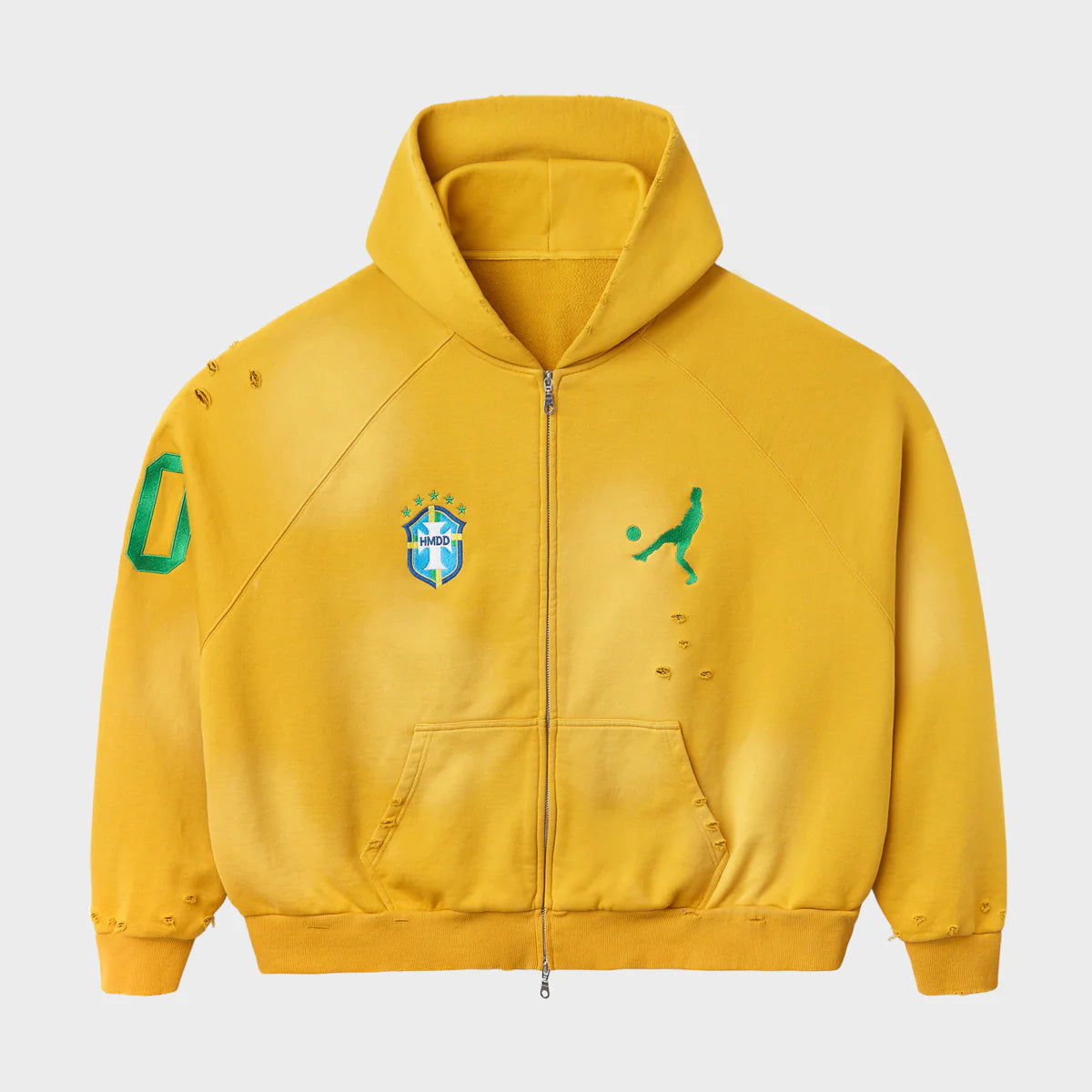
Delivery times and return periods are the other area shoppers should consider as part of their value math. None of this is unique to HMDD, but it’s part of the real cost of buying from a compact, design-focused brand rather than a big commercial seller with warehouse-scale logistics.
Final Verdict: Should You Buy HMDD?
The sweatpants and shorts in particular provide excellent per-wear value because they’re adaptable, reliably fitted, and durable to frequent laundering better than budget basics. The “happy memories dont die” guiding idea isn’t just marketing spin — it comes through in creative decisions that lean toward sentiment and longevity over fleeting fashion fads.
If you’re relying on couture-grade construction while paying mid-level prices, or depending on assured restocks paired with forgiving return windows, that’s when caution is warranted. These qualities aren’t strong points of the scarcity-driven model HMDD operates under, and no honest review should pretend otherwise. For your specific situation in 2026, the value question turns far simpler to settle once you measure your own preferences — price relative to wear, design alignment, and tolerance for infrequent replenishment — against what HMDD provides.