













Poker multi table tournament strategy lives in the quiet arithmetic of survival, not the noise of any single hand. In Australia, where the pub game still hums from the Hunter Valley to the far south coast, the question of whether you can actually run a serious multi-table plan on a phone matters to more grinders every season. The short answer is: it depends on the setup, the player, and the buy-in tier. Let’s reckon with what’s actually possible on a mobile screen versus what’s just marketing.
Mobile Setups and the Tournament Reality
Mobile play has reshaped the Australian tournament calendar in ways that did not exist five years ago. Where serious MTT players once needed a desktop tower and a second monitor, the modern phone now handles four to six tables without breaking a sweat, and offshore platforms such as winspirit-online.net have rebuilt their tournament lobbies around that reality.
The MIT Blackjack Team comparison stays relevant: blend maths students into a structured counting operation rather than relying on lone hot streaks. Multi table work on a phone requires the same organised approach – fixed tables, fixed tablecap, fixed window. I reckon too many Aussie grinders treat the Penrith-to-CBD run as dead time instead of scheduled volume.
The mobile client and tournament lobby matter more than any welcome offer when weighing options. One Sydney-based coach argues that running more than two tables on mobile is “busy as a servo on a Friday night” and compromises decision quality. A Wollongong streaming pro counters that flexibility outweighs marginal accuracy loss. Both views hold weight.
Regulators in this country also watch social casino products closely for gambling-like harms among younger users, and that scrutiny is slowly reshaping how hybrid skill apps are reviewed on app stores.
Breaking Down the Mobile MTT Experience
App vs Browser: Where the Friction Lives
The first decision a mobile MTT player makes is browser or native app, and the answer is less obvious than most reviews suggest. Browser play avoids storage bloat and keeps the phone uncluttered, but it inherits the limitations of mobile Safari or Chrome: background tab suspension, aggressive memory management, and the occasional disconnect when the screen sleeps. Native apps hold their session more reliably and push notifications for table assignments, but they demand storage and sometimes run hot on older devices.
The native app path wins for anything beyond two tables. A four-table MTT grind in the browser is where lag becomes obvious. That distinction is a fact based on observed behaviour, not an opinion dressed as data.
Multi-Table Layout and Decision Speed
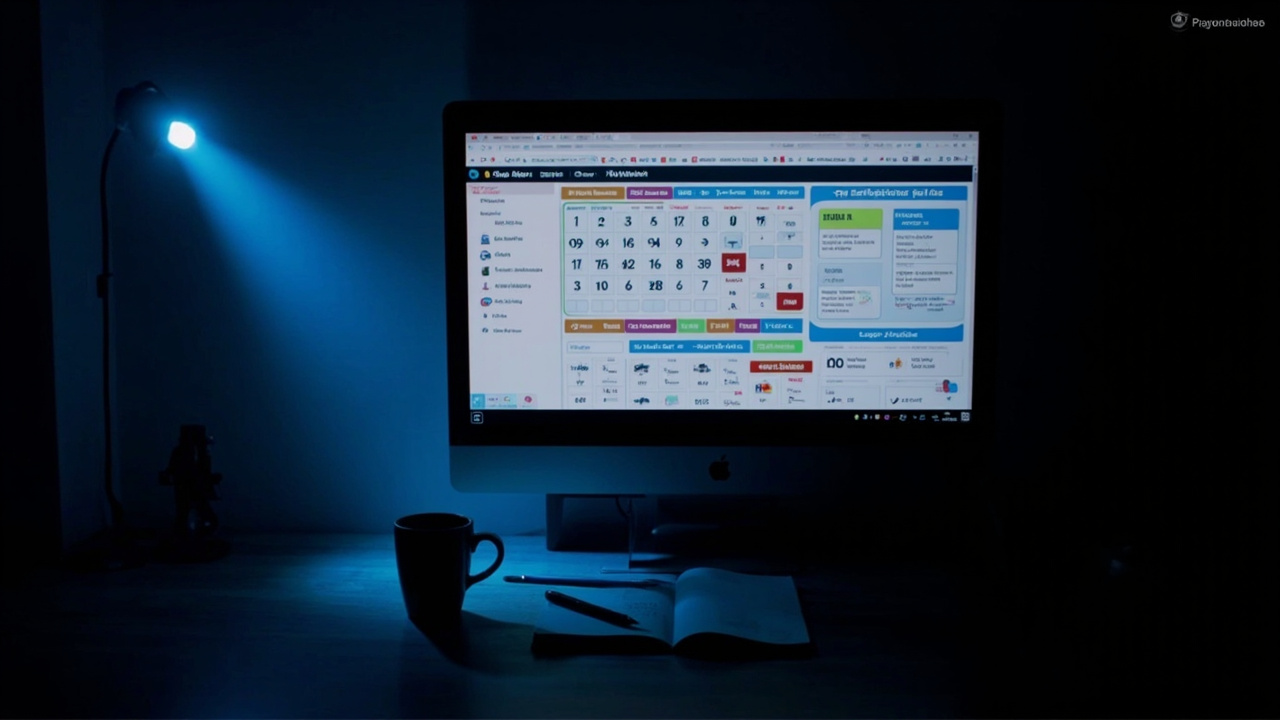
A tournament lobby that loads in under two seconds is the minimum bar; anything slower bleeds your registration window. Once seated, the real test is how the client handles table tiling. The best mobile MTT clients offer resizable grids – 2×2, 3×2, or 2×3 – with pinch-zoom and a one-tap fold button that does not require a confirmation pop-up.
Decision speed is the variable that separates a workable mobile MTT setup from a frustrating one. On a 6.7-inch screen at 120Hz, the marginal cost versus desktop is roughly one second per hand, which compounds across a 200-hand day. Acceptable for most, defo not for everyone.
Stability, Data, and the Long Session
The “count room” analogy from casino operations – where cash is tallied under heavy security and any discrepancy is investigated – translates well to how serious players should treat their own session data. Mobile MTT play generates hand histories, HUD files, and notes that must sync reliably. A drop in level 12 of a major does not just cost you hands; it corrupts the dataset.
Battery drain and mobile data usage also matter. A four-hour session at four tables can chew through 30-40% of battery and roughly 1.5-2GB of data on some clients. Plan accordingly if you are arvo-grinding from a café in Newcastle or the train to Nowra, and the rest is no worries.
| Setup | Best for | Weakness |
|---|---|---|
| Browser, 2 tables | Casual weekender, late-register | Screen-sleep disconnects |
| Native app, 2-4 tables | Semi-pro commuter | Battery, heat |
| Native app, 5+ tables | Mobile-first grinder | Decision latency |
| Tablet + app, 5+ tables | Hybrid grinder | Less portable |
Player-Fit Scenarios for Mobile MTT Play
Whether mobile MTT strategy fits a player depends on volume goals, table count tolerance, and session length more than the device in their hand. I reckon three profiles cover most of the Australian market.
The casual weekender running one or two tables in a Sunday major gains real freedom from mobile play and loses nothing strategic. A mate’s place in Dubbo, a pub in Maitland, the back verandah – the location stops mattering. Strategy here is patience, not screen real estate.
The semi-pro commuter grinding three to five tables on the train from the Central Coast or down to Wollongong is where mobile MTT play starts to show its structural limits. The one-second-per-hand penalty compounds, and a flaky connection on regional NSW lines can wipe out a stack. It is workable, not optimal.
The serious grinder running five-plus tables in peak evening hours should treat mobile as a satellite-entry tool, not a primary weapon. Battery, heat, and decision latency become disadvantages that no app update fully resolves.
Mobile MTT strategy in Australia is a compromise, not a downgrade – provided you match the format to the player. Choose the platform that respects your table count, your data plan, and your the brand’s platform decision speed, and the phone in your pocket becomes a legitimate part of the grind. Pick poorly and the marginal cost shows up in your ROI within a session or two.